
App Development25
Why SMEs Need to Develop a Mobile App (Part 2)
Read articleThis article explains how B2C SMEs can use mobile apps to expand their market, increase sales, improve marketing, and build stronger customer relationships.

technine.io editorial
App Development articles and updates from technine.io.
This article explains how B2C SMEs can use mobile apps to expand their market, increase sales, improve marketing, and build stronger customer relationships.

SMEs can use mobile apps to reach smartphone users, use native phone features, improve internal workflows, and support digital transformation.

Understand the difference between native apps and hybrid apps, including development cost, performance, user experience, maintenance, release speed, and platform support.

A follow-up comparison of Hybrid Apps, covering cross-platform compatibility, lower development cost, easier updates, larger app packages and native feature access.

Learn how an online booking system improves customer communication, real-time scheduling, digital operations, cost control, business management and reporting.

Compare responsive web design and mobile app development by device support, convenience, SEO performance, development cost and maintenance.

Compare Web Apps and Mobile Apps by cost, installation, SEO, updates, device access, user experience, scalability and business fit.

Compare iOS, Android and hybrid app development by workflow, platform choice, UX patterns, testing time, market reach and launch cost.

Mobile app development cost depends on app type, features, backend needs, design complexity, server usage, maintenance and publishing requirements.
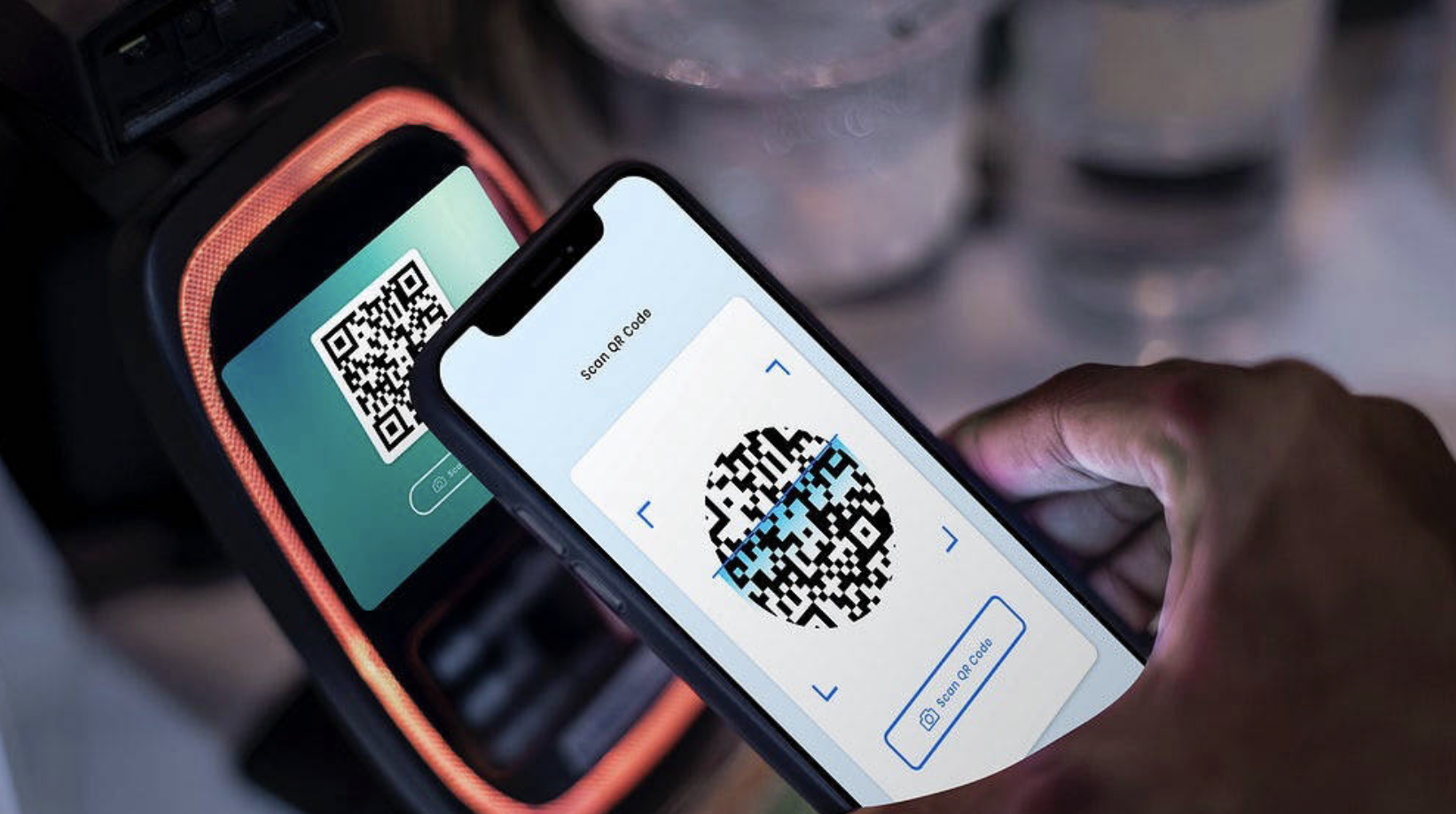
QR Code authentication and QR Pay can speed up login, identity verification and checkout, helping businesses simplify operations and customer journeys.

QR Code access control, payment and identity verification can simplify visitor entry, improve security and reduce manual administration.

Google Play publishing is simpler than App Store submission, but still requires developer setup, metadata, screenshots, APK testing and policy compliance.