Smart access systems
QR access, door control, visitor passes, staff entry, temporary permissions, access logs, and remote unlock workflows.

technine.io builds AIoT systems for access, sensors, cameras, dashboards, alerts, and device events, helping teams monitor physical operations and act faster.
Unusual access pattern detected near service entrance.
Route to facilities team and attach camera snapshot.
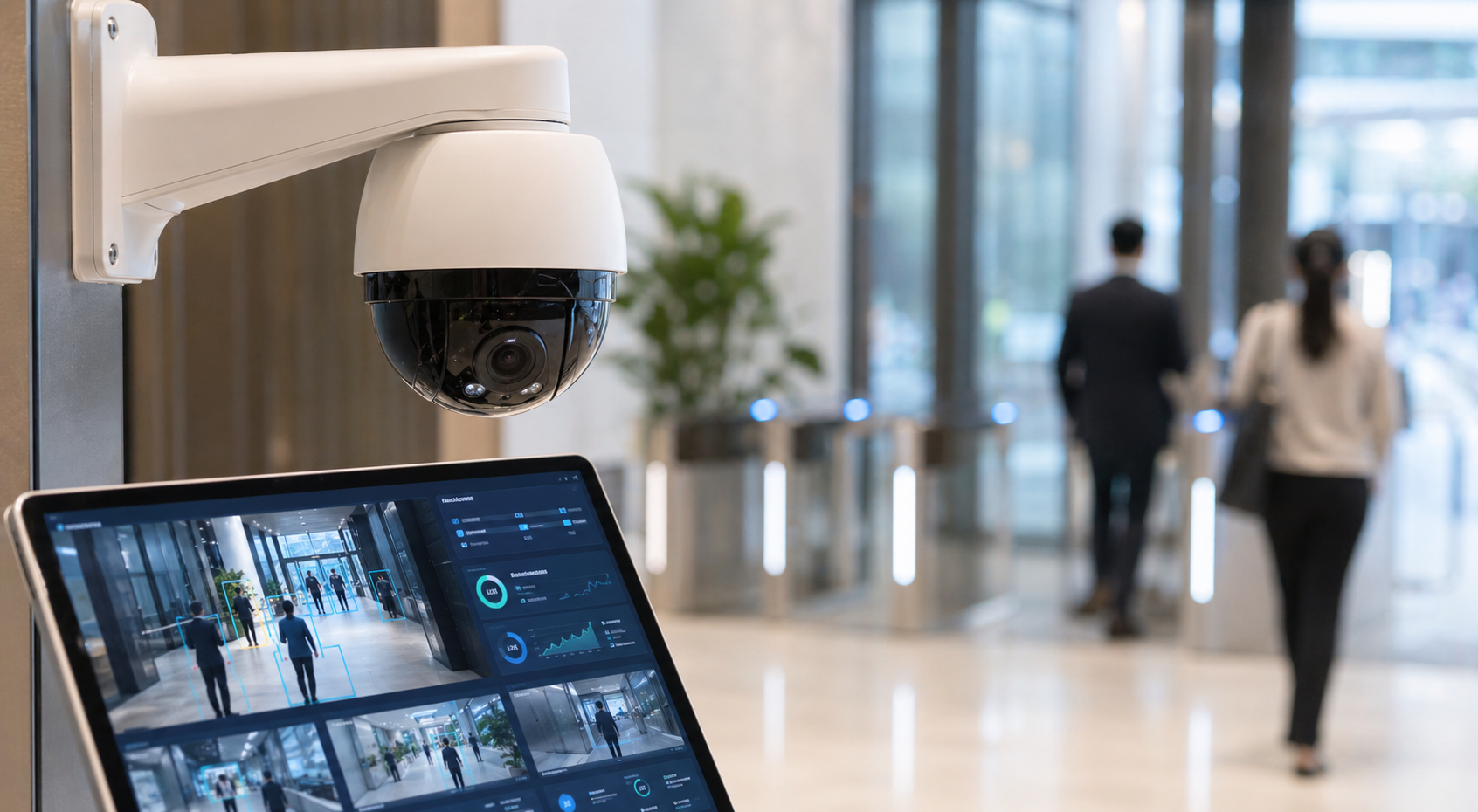
Many site operations still depend on manual checks, separate device panels, paper records, and delayed reports. AIoT brings the physical workflow into software: devices generate signals, cloud systems coordinate access and data, and AI helps teams detect events, route actions, and improve operations.
We design AIoT systems around the physical workflow: who needs access, what devices must respond, what data should be captured, and which actions can be automated safely.
QR access, door control, visitor passes, staff entry, temporary permissions, access logs, and remote unlock workflows.
Self-service check-in, registration, approval, notification, membership validation, attendance, and front-desk handover.
Booking rules, capacity control, payment links, usage records, room access, equipment allocation, and booking dashboards.
Connect sensors, panels, cameras, kiosks, locks, gateways, and site hardware through APIs or hardware protocols.
Live status, abnormal events, usage trends, incident alerts, exportable reports, and operational logs for managers.
AI helps classify events, summarize records, detect exceptions, trigger workflows, and prepare next actions for teams.
AIoT creates value when physical-world events become reliable data and controlled workflows instead of scattered manual coordination.
A useful AIoT system needs more than hardware installation. We connect the site layer, cloud application layer, and operations intelligence layer so support teams can manage the full service.
Access readers, QR scanners, locks, sensors, cameras, visitor panels, kiosks, controllers, and gateway devices.
Backend services, admin portals, user apps, databases, APIs, permissions, notifications, reports, and integrations.
Event classification, exception routing, operational summaries, predictive alerts, workflow automation, and improvement loops.
Reusable modules help projects move faster while still allowing each site, access rule, and operating model to be customized.
AIoT is most useful in environments where people, spaces, devices, access, and operational data need to work together.
Access control, visitor registration, facilities booking, resident services, contractor access, and usage reporting.
Staff entry, meeting room booking, visitor flows, attendance records, device status, and workplace analytics.
Student access, room usage, event check-in, attendance, facility control, and real-time safety notifications.
Member validation, self-service booking, access rules, usage records, payment flows, and front-desk automation.
Gate access, asset movement, loading area coordination, device monitoring, alerts, and operational reports.
Queue, membership, kiosk, access, payment, display, and customer interaction data connected to operations.
AIoT projects touch physical sites, hardware, cloud systems, users, and support teams. We make those dependencies visible before launch.
We review users, spaces, existing devices, network constraints, access rules, manual steps, and operational pain points.
Access rules, booking logic, device events, permissions, reports, and exception handling are defined before integration.
We design the backend, admin panel, user interfaces, APIs, hardware protocols, security controls, and integration boundaries.
Hardware, cloud services, apps, notifications, payment, membership, CRM, and reporting systems are connected and validated.
We test real entry, booking, visitor, alert, network, device failure, and admin workflows before production rollout.
After launch, reports, alerts, logs, device status, support issues, and AI-assisted improvements are reviewed over time.
AIoT Solutions
AIoT connects physical devices and site events with software, dashboards, alerts, and AI-assisted workflows so teams can monitor and act on operations in real time.
Property, facilities, logistics, education, retail, and operations teams that need device data, site visibility, alerts, and workflow control.
Smart access and visitor flows
Sensor and camera event monitoring
Facilities dashboards
Operational alerts and summaries
Map devices and site workflows
Connect data and permissions
Build dashboard and alert logic
Validate onsite operation and support
FAQ
AIoT combines IoT devices and AI-assisted software so physical events can be monitored, interpreted, routed, and acted on through business workflows.
Yes. We assess device APIs, data formats, network constraints, dashboards, alert rules, and operational handoff before building.
Facilities, property management, logistics, education, security, and operations teams benefit when they need real-time site visibility and response.
Relevant work
Explore client projects related to this solution.
Showing related use cases page 1 of 2.
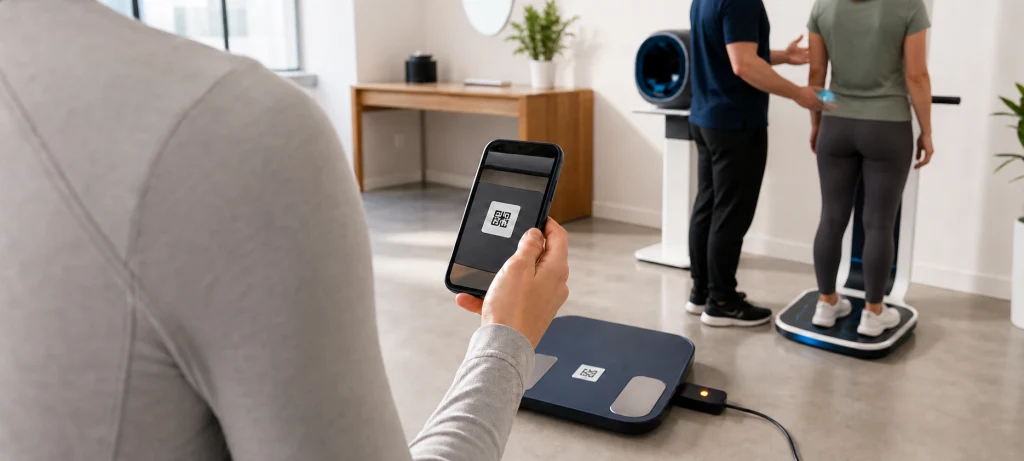
One wellness app connects assessment devices, activity and meal tracking, movement feedback and rewards. Results are informational, not diagnoses.

This project connects a mobile control app, visual floor plans and on-site IoT hardware for property blinds and curtains. Users can operate authorised devices and check their current status, while administrators manage zones and access permissions through a web dashboard.
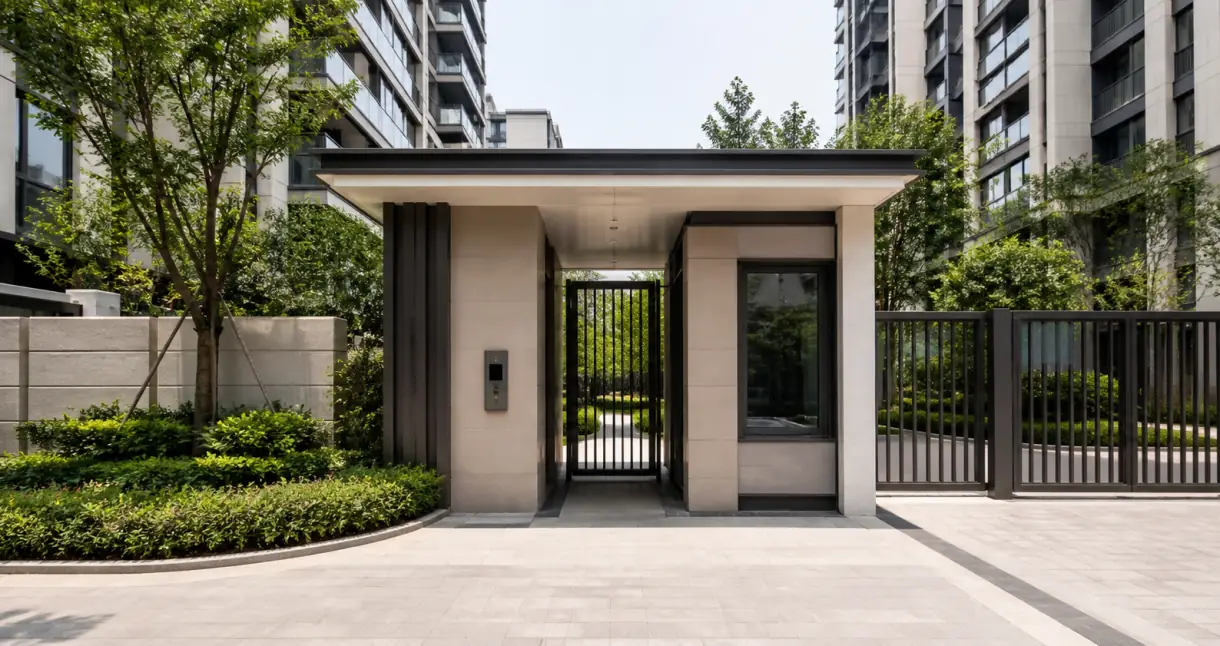
This case covers a Hong Kong private residential estate with a residents’ clubhouse. The system connects access control, visitor handling, video intercom, clubhouse booking and payment across resident, staff and administration workflows.
Start by mapping the physical workflow, devices, users, permissions, data, and long-term maintenance model.
We can help assess your site, define the AIoT architecture, and plan a practical rollout path from pilot to production that keeps operations visible and maintainable.