
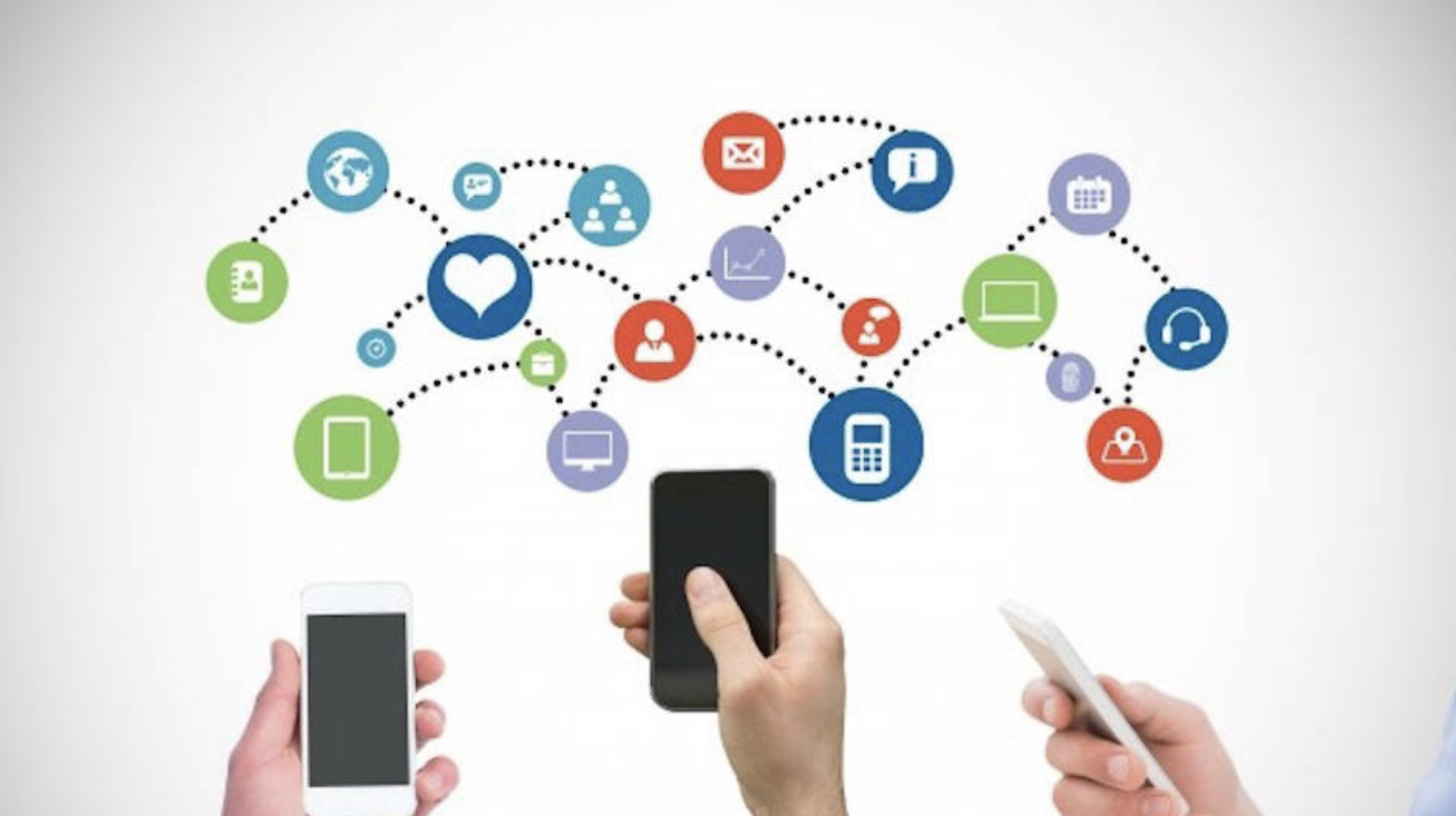
In the previous article, we covered several reasons why SMEs should consider developing a mobile app. If you have not read it yet, you may want to start there first. In this article, we focus on the specific benefits that mobile app development can bring to B2C SMEs.
1. Expand Your Market Again
SMEs with limited budgets may feel they have to choose between a website and a mobile app. Companies that already have a website may also think it is unnecessary to develop a mobile app with similar functions. We do not fully agree with that view.
In many cases, a website is the first channel through which customers discover a company. When visitors become customers, and then repeat customers, SMEs need to think about how to retain them. A mobile app is one of the simplest ways to do this. It allows customers to complete transactions faster, improves customer satisfaction, and can also accelerate revenue growth. If your business already has a website, it is worth considering how a mobile app can extend your online market into a more direct app-based channel.
2. Increase Business Revenue
Whether you operate in retail, food and beverage, or beauty services, the goal is usually the same: sustainable revenue growth. We often say that mobile app development can improve business performance, but are there practical examples?
The success of market leaders such as Zara, Starbucks, and Domino’s Pizza shows that a mobile app can significantly support sales growth. Zara increased sales by 60% through its eShop app. After Rebecca Minkoff launched its mobile app, clothing sales reached three times the company’s expectation. Domino’s Pizza also recorded a 28% increase in online sales in the United Kingdom after launching its mobile app.

3. A Cost-Effective Marketing Tool
Large enterprises often spend millions on ongoing marketing campaigns to attract public attention and acquire new customers. For SMEs, however, this level of spending is usually unrealistic.
With the rise of smartphones, marketing behavior has changed. Social media platforms are among the most commonly used apps, and people spend a great deal of time managing different social media channels. Sharing features can support a passive marketing strategy by allowing customers to tell friends about positive experiences with your app, store, or products. SMEs can also encourage customers more proactively by offering a gift or discount in exchange for a review or post. These are low-cost, high-impact methods for smaller businesses.
Push notifications are another personalized and proactive marketing tool. Businesses can send tailored messages based on customer preferences and attract attention more effectively. They can also deliver the latest store updates to selected customers within a specific period, strengthening the relationship between the business and its customers.
4. Create a Sense of Personal Connection
A mobile app does more than make things convenient for users. It also creates a more personal experience for each customer, making the relationship between customer and business feel friendlier and closer. When customers use a mobile app, they leave useful signals such as preferences, wish lists, and purchase records. This data helps businesses better understand customer interests.
During festivals or special occasions, personalized greetings can create a stronger sense of connection and make customers feel seen and valued. This sense of uniqueness can also increase their affinity toward your company.
Besides serving as a marketing tool that helps SMEs increase revenue, mobile apps also bring hidden advantages. When used well, these advantages can help your business stay ahead of competitors. To learn more, stay tuned for “Why SMEs Need to Develop a Mobile App (Part 3)”!
Translation supported by AI.
Planning your app project
Choose the platform around how people will use the application: device features, browser access and the work needed to maintain it.
- Mobile app development
Review iOS and Android delivery, device integrations and release planning.
- Website and web app development
Explore browser-based applications, customer portals and their backend requirements.
- Application maintenance and support
Plan maintenance responsibilities, incident handling and support coverage after launch.