
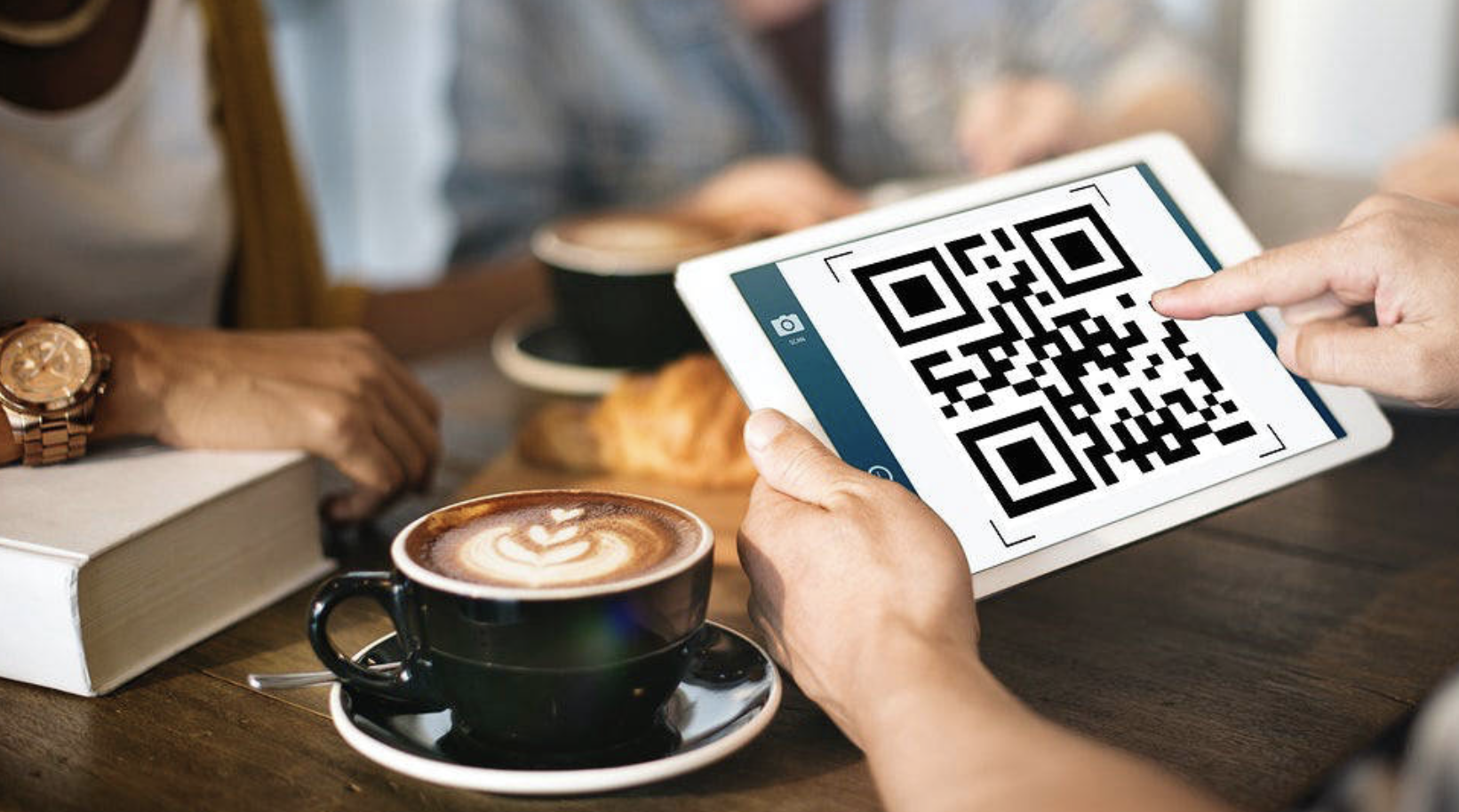
Beyond linking to websites, what practical uses can QR Codes have? As QR Code technology matures, many businesses are replacing older workflows with QR Code-based methods to improve daily convenience. Examples include QR Code access control, QR Pay and QR Code identity verification.
QR Code access control can limit access to indoor units or outdoor areas using codes with configurable dates and times. QR Pay lets users scan a code and go directly to a payment page, simplifying payment. QR Code verification can confirm user identity more accurately and improve security.
QR Code Access Control Reduces Visitor Registration
QR Code access control allows people to enter designated premises by scanning a QR Code. System administrators can review personal entry records from the backend and set QR Codes to control access permissions, reducing the need for manual registration at entrances.
In practice, an administrator enters visitor information into the backend system, generates a QR Code, and sends the QR Code image, such as PNG or JPG, to the visitor by email, WhatsApp or another messaging tool. The visitor then scans the QR Code at the entrance reader to unlock the door.
Administrators can also generate time-limited QR Codes, restrict entry dates and times, or control access to specific rooms within the same unit. This is particularly useful for security management.
Use Case: Hotels, Guesthouses and Hostels
When travelling or taking a staycation, guests usually enter rooms with NFC key cards, physical keys or password locks. Key cards and keys can be lost, while password locks may take longer to operate. QR Code access is fast and secure. Visitors only need to scan a QR Code, and the room or facility door can unlock instantly, often within one second.
This can also reduce check-in and check-out time and lower the need for on-site reception staff. As long as the administrator sends the QR Code before the stay, guests can enter the room at the approved time.
Use Case: Offices, Workspaces and Coworking Spaces
Coworking spaces provide private offices, dedicated or shared desks, meeting rooms and office equipment rental. Customers often use access cards to enter rented offices, but if a card is lost, a temporary card must be issued. Managing different membership levels is also difficult, such as long-term rental, short-term rental, private office, dedicated desk or shared desk users.
A QR Code access control system does not require visitors to download a mobile app or carry hardware such as an access card or membership card. One QR Code image can provide access. Administrators can also set usage periods, entry times and room or facility permissions, reducing reception costs and supporting a more automated business model.
Advantages of QR Code Access Control
QR Code access control has three major advantages. First, installation is simple. Existing handles, locks and electromagnetic locks do not need to be replaced. An IoT control board and QR Code reader or scanner can be added and connected to the management backend.
Second, it supports remote control. With Wi-Fi connectivity, access hardware can connect entry records to cloud servers. Administrators can unlock doors remotely through a backend or mobile app and check the real-time open or closed status of doors in different locations.
Third, backend management is centralized. Each person’s entry and exit record, including date, time, registered name, number and location, is stored in the backend database. Records can be exported in Excel format for reporting, and existing personnel or visitor data can be imported. Multiple doors and scanner hardware statuses can also be managed from one backend page.
Translation supported by AI.