
Company News169
Let’s move forward with the Ox spirit in 2021!
Read articleLet’s move forward with the Ox spirit in 2021! highlights technine's work with partners, students, and the wider technology community in Hong Kong.

technine.io editorial
Company updates, events, partnerships, and community activity showing how technine.io works with clients and technology partners.
Let’s move forward with the Ox spirit in 2021! highlights technine's work with partners, students, and the wider technology community in Hong Kong.

See how online booking systems support pet grooming, medical beauty, and car detailing businesses by reducing manual scheduling work and errors.

Learn how an online booking system improves customer communication, real-time scheduling, digital operations, cost control, business management and reporting.

Learn which types of website content can weaken SEO performance, including thin articles, duplicate content, outdated pages and low-engagement content.

Compare responsive web design and mobile app development by device support, convenience, SEO performance, development cost and maintenance.

Continue learning how Google quality rater guidelines, E-A-T and core updates can help website owners improve content quality and SEO performance.

Understand Google core updates and use quality, trust, presentation and competitiveness questions to assess and improve website content for SEO.

Compare Web Apps and Mobile Apps by cost, installation, SEO, updates, device access, user experience, scalability and business fit.
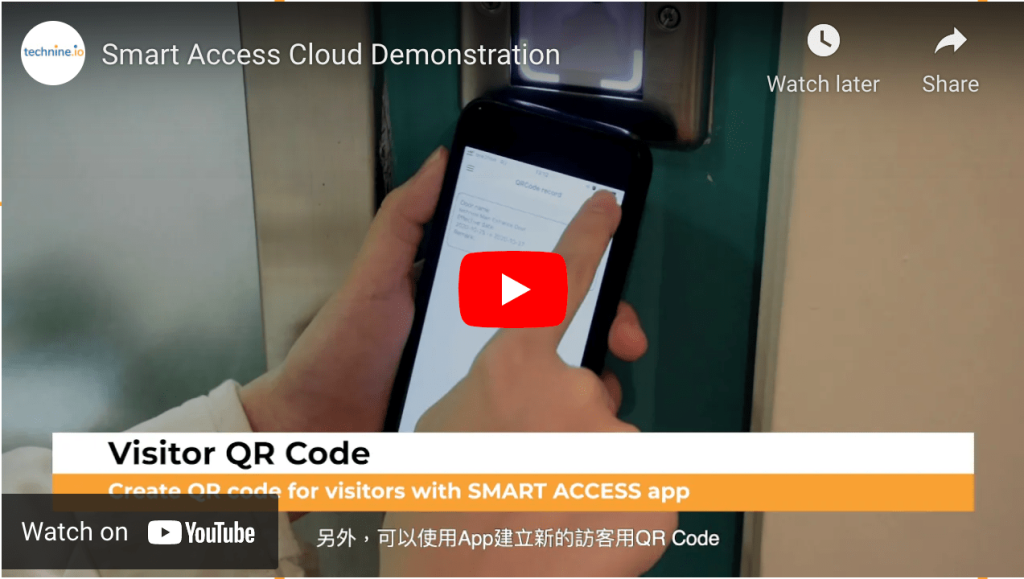
Introducing technine Smart Access – cloud-based QR code access control highlights technine's work with partners, students, and the wider technology community in Hong Kong.

Compare iOS, Android and hybrid app development by workflow, platform choice, UX patterns, testing time, market reach and launch cost.

Mobile app development cost depends on app type, features, backend needs, design complexity, server usage, maintenance and publishing requirements.
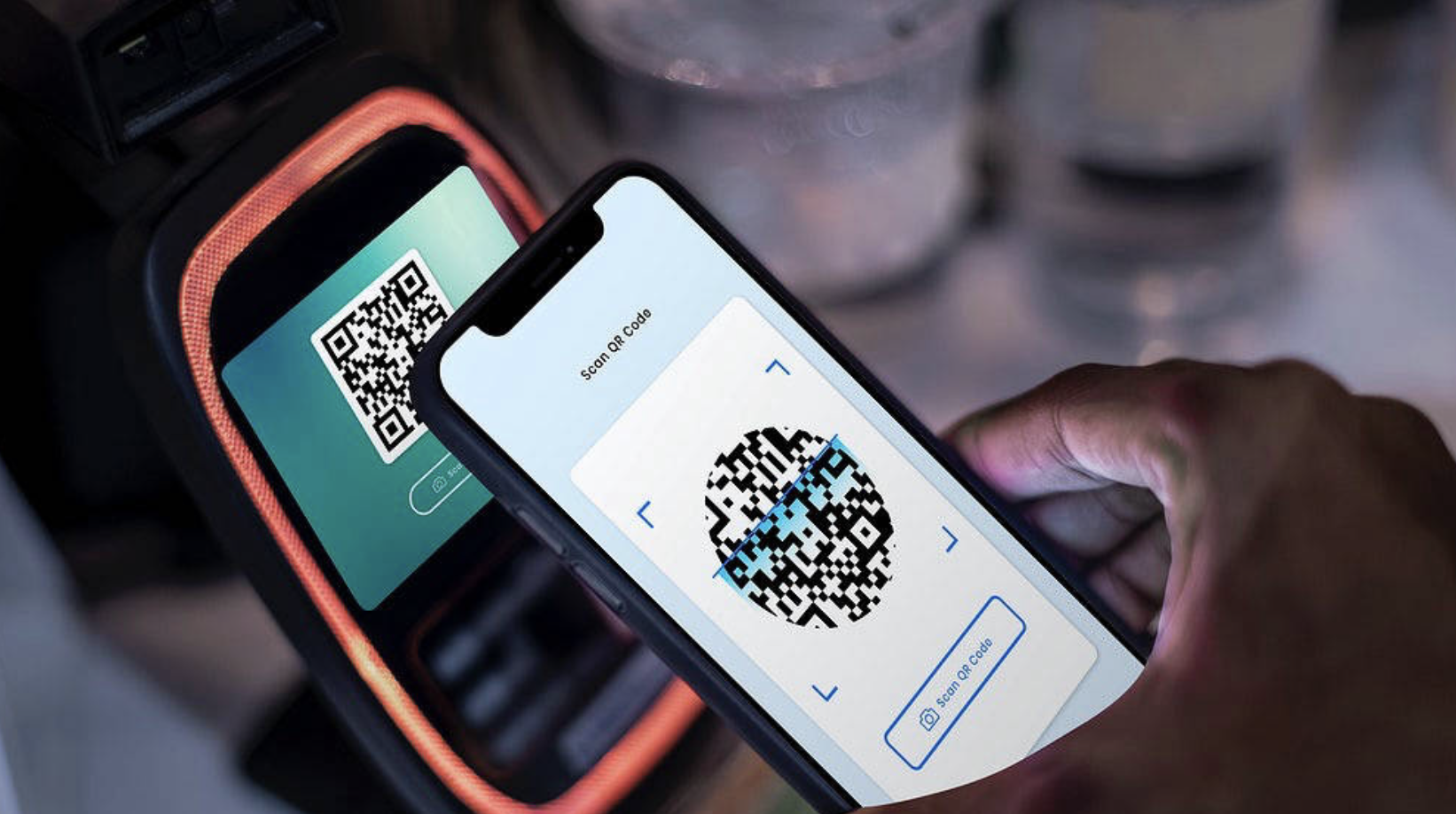
QR Code authentication and QR Pay can speed up login, identity verification and checkout, helping businesses simplify operations and customer journeys.