
The previous article explained how QR Code access control can be applied in real-world scenarios. This time, technine introduces QR Code authentication and QR Pay, showing how QR Codes can make everyday life more convenient.
QR Code Authentication Quickly Confirms Identity
Everyone has social media accounts, and login often requires identity verification through SMS or email. Can QR Codes also be used for identity authentication? Anyone who has used LINE will know that QR Code authentication is fast and convenient.
Sometimes, a web service needs to confirm whether a user is also a mobile app user, adding another authentication method to help prevent account theft.
Suppose your product is a mobile dating website and you recently added a desktop web version. If you know that 99% of your customers log in by mobile phone, you can provide a QR Code on the desktop login screen. When users scan the QR Code with the built-in scanner in your app, the desktop version can log in directly without requiring an account name or password. WhatsApp Desktop is a good example. This saves time and increases usage.
QR Pay Makes Payment Fast and Convenient
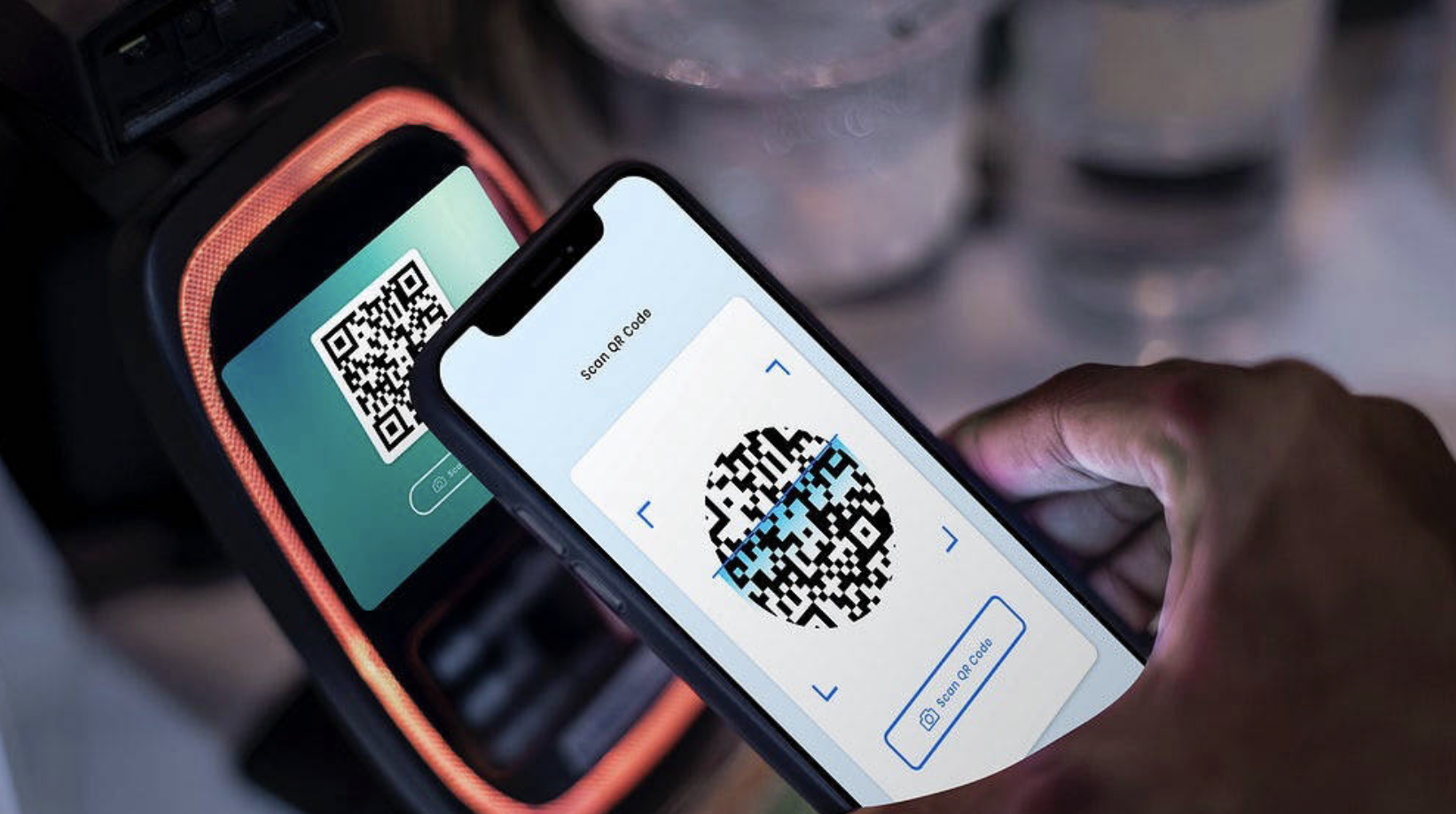
PayPal recently launched QR Code payment functionality in Hong Kong, known as QR Pay. How does the payment process work? A merchant displays the relevant QR Code to the customer. The customer opens the QR Code scanning screen, enters the payment amount, selects a payment method and taps pay now. The transaction is then complete.
In QR Pay, the QR Code is equivalent to the card number in POS card payment, and the overall principle is similar to POS card payment.
To reduce manpower, many large supermarkets now provide self-checkout systems. After customers scan product barcodes, they can choose QR Pay as the payment method. They only need to scan the corresponding QR Code with a mobile phone, enter the amount and tap pay now. The transaction is complete.
QR Code payment reduces the steps required in traditional payment and makes the process smoother, so customers do not need to spend as much time queuing.
The main purpose of QR Codes is to carry information, and the applications above all develop from that capability. Has this article inspired new ideas for using QR Code or related technologies to speed up or simplify operational workflows? If you have questions, contact technine.
Translation supported by AI.