
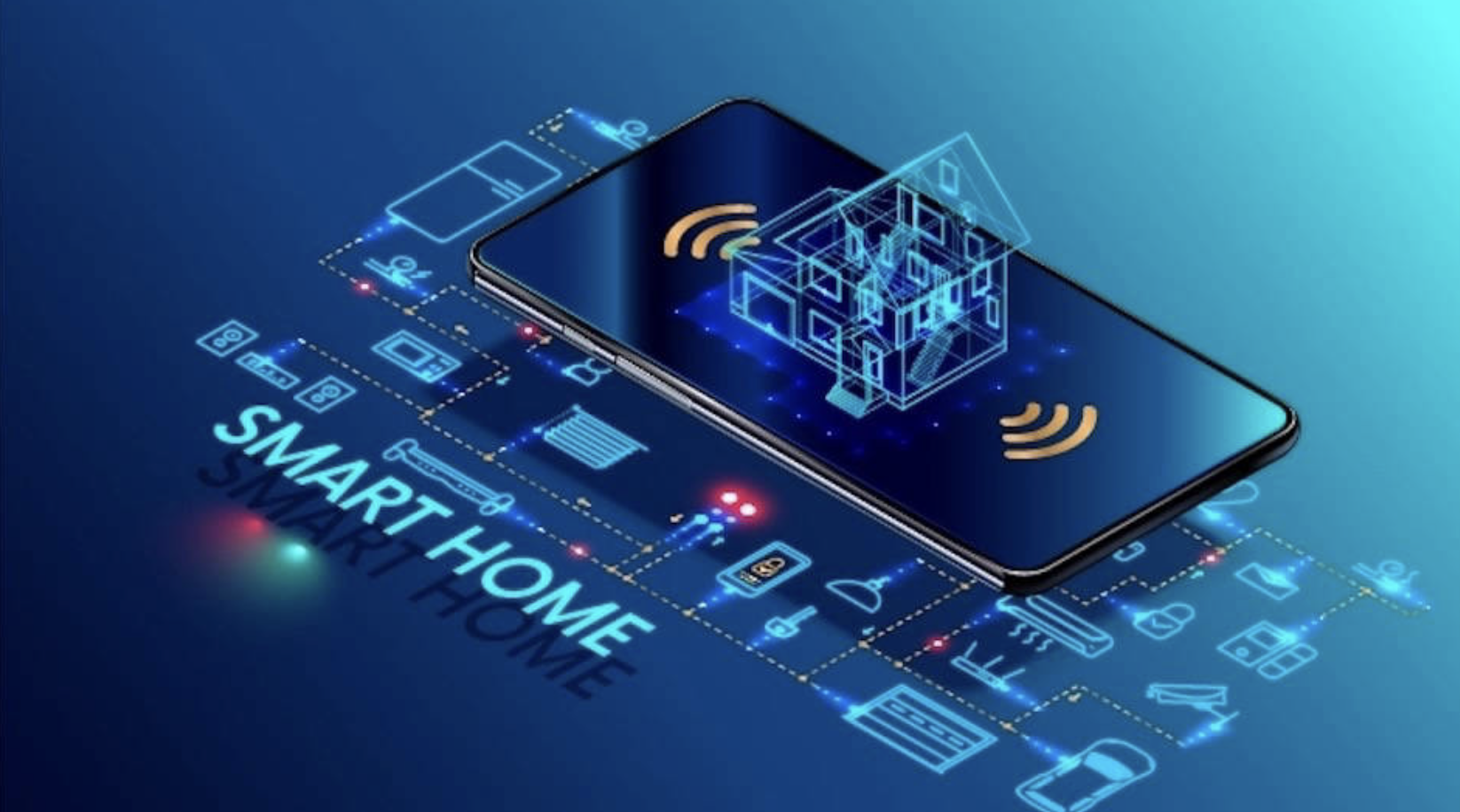
After working late at the office, you finally return home, but still need time to settle down before enjoying your private time. Imagine opening the front door and the lights turning on automatically, the air conditioner in summer or heating in winter already running, your favourite music playing softly, and the bathtub filled with warm water.
This is how the Internet of Things (IoT) enters everyday life. Beyond smart homes, IoT also appears in smart watches, glasses, fitness bands, commercial environments and major public infrastructure. Its scope is extremely broad.
Where Did IoT Come From?
The concept of the Internet of Things appeared in Bill Gates’ 1995 book The Road Ahead and was explored in the International Telecommunication Union’s 2005 report The Internet of Things; the report did not mark the concept’s first introduction. Kevin Ashton has traced the term Internet of Things to his 1999 presentation. IoT refers to devices using embedded chips to send data collected by nearby relay stations to a data processing centre or cloud platform for real-time analysis and response.
Simply put, IoT connects equipment and devices through the internet so they can communicate, exchange data, respond correctly and execute instructions.
Early IoT-related technology includes radio frequency identification (RFID), which is now widely used. Octopus cards, access control cards and HRM systems all use RFID, allowing data to be read without physical contact.
Three Main Layers of IoT
Application layer. This layer supports the use and management of application goals and responds to cloud application needs. Through data storage, analysis and reuse, it improves management efficiency and service quality. Examples include smart home plugs, appliances, door locks, refrigerators, temperature sensors and light sensors that can be remotely or automatically controlled through a mobile app.
Network layer. This layer handles data transmission and instruction delivery. It is responsible for communication protocols, protocol conversion and connection to internet environments. Examples include wired or fibre broadband, 2G to 5G mobile networks, Wi-Fi and Bluetooth connections.
Perception layer. IoT devices need the ability to sense and transmit data. Related equipment must have power, communication or internet connectivity to control or detect device status. Examples include sensors attached to clothing, vehicles, goods or components to detect changes in temperature, humidity, distance, speed and location.
IoT not only makes equipment in different industries more automated, but also improves efficiency and saves energy. Its business and public utility applications are becoming more common, including environmental monitoring, healthcare, logistics and agriculture. The next article will introduce how IoT can be used commercially to create more value for businesses.
Translation supported by AI.