
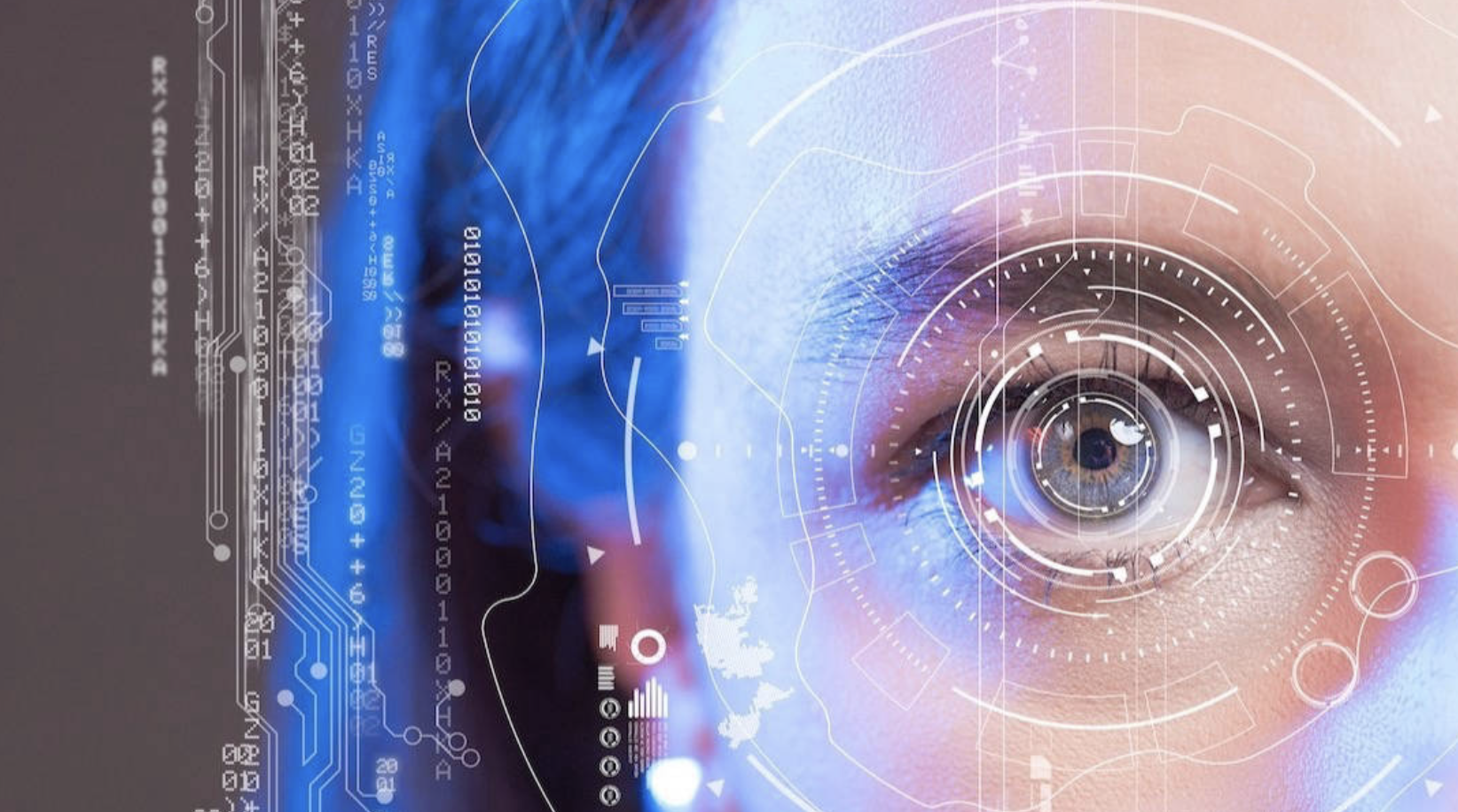
A facial recognition system is biometric software that combines artificial intelligence, machine recognition, machine learning, model theory, image processing, and other specialist technologies. By collecting facial features and data to create a “faceprint,” it compares real-time captured images with stored facial features to verify identity. Its main functions include image capture, face positioning, image preprocessing, and identity confirmation or search. It does not require physical contact and can even identify people in motion.
Facial recognition already appears in daily life. The most common example is phone face unlock, but it is also used in access control systems, surveillance systems, online applications, attendance systems, and more. Below are practical examples across operations, security, marketing, and enterprise management.
Operations
Some organizations integrate facial recognition systems into existing services to improve service efficiency and quality. For example, Beijing Daxing International Airport allows passengers to complete ticket purchase, check-in, baggage check, security inspection, and boarding through facial recognition technology, greatly shortening queuing and processing time and giving travelers more flexibility in their schedules.
Security
Governments also use facial recognition technology for immigration control to help prevent illegal entry. Facial recognition can also provide security solutions for large events, allowing only verified people to enter controlled areas while recording real-time visitor images and times for monitoring. In property management, entrances to government facilities, office buildings, and residential buildings can use facial recognition to prevent unauthorized entry and reduce crime risks.
Marketing
Some large shopping malls and stores install cameras with facial recognition systems at entrances. These systems can identify customer gender, age, stay duration, and other data. After analysis and consolidation, the statistics can help brands improve marketing strategies based on customer behavior.
Management
Facial recognition also has value in enterprise management. Large companies with many employees may experience errors in attendance records. An access control system with facial recognition can accurately record employee attendance in real time while also supporting security work, visitor records, and protection of company assets.
These are some of the more common application areas for facial recognition technology today. In the future, we will discuss its business applications in greater depth and how it can improve operations. Please follow our updates if you are interested.
Translation supported by AI.