
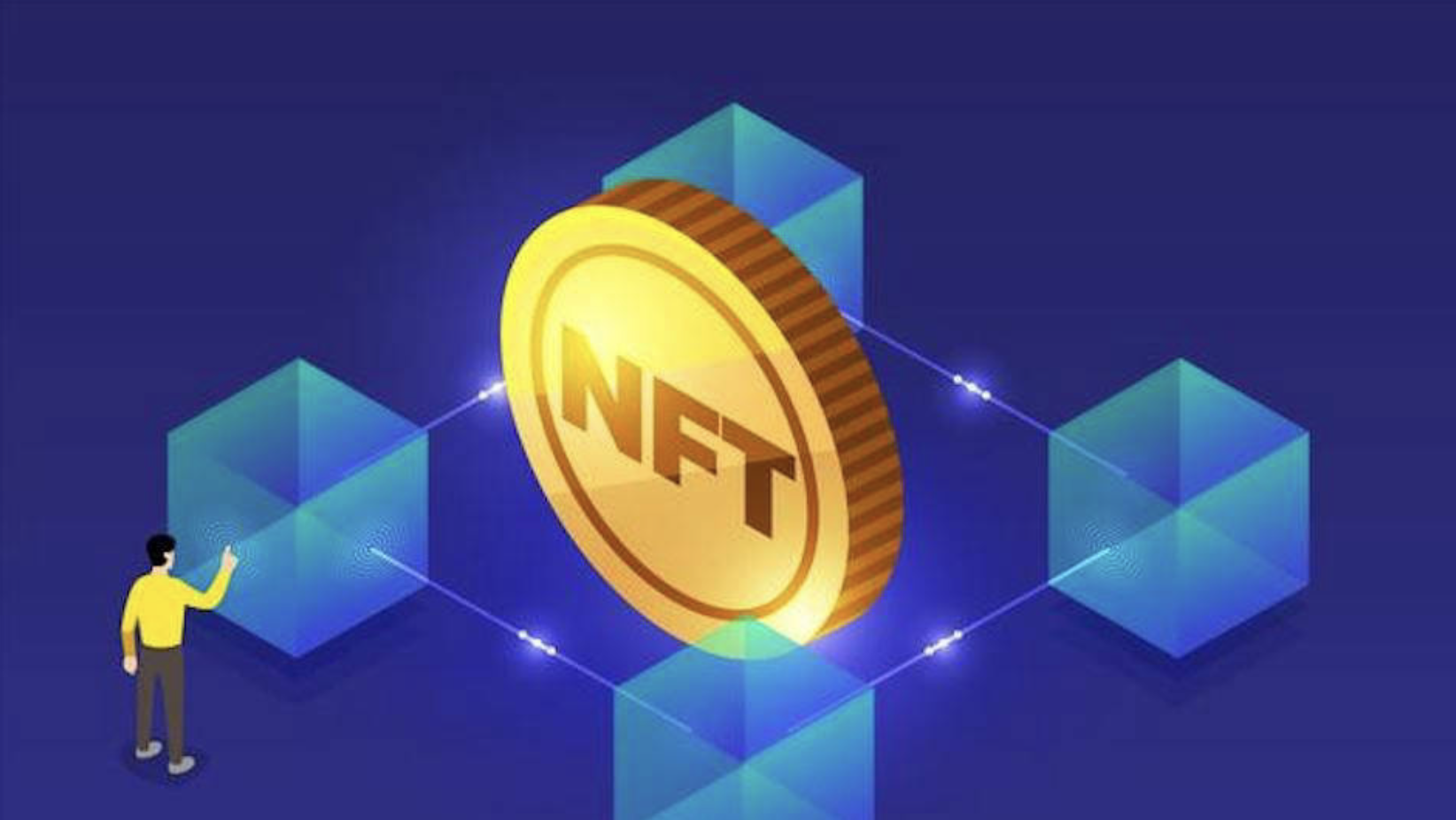
Blockchain technology has developed rapidly in recent years, and by 2021 one of the most discussed blockchain applications was NFT. Although NFTs first attracted attention in 2017 through CryptoKitties, the topic became popular again as the market expanded.
According to data from OpenSea, a major NFT marketplace, sales reached nearly USD 150 million in March of that year, a sharp increase from the average monthly sales of around USD 1 million in 2020. The famous “Disaster Girl” meme was also auctioned as an NFT, with a transaction price of around HKD 4 million.
What Is an NFT?
NFT stands for Non-fungible Token. NFTs are produced based on Ethereum technology, and each NFT is recorded on the blockchain. Most NFT transactions use Ether (ETH) as the value standard.
The special feature of a non-fungible token is uniqueness. Each NFT is irreplaceable, so it cannot be exchanged with another NFT on an equal basis. By comparison, each unit of Ether has the same value and can be exchanged with another unit of Ether. But the NFT in your wallet and the NFT in my wallet cannot simply be swapped as equal assets, because each one has a different value.
Although NFTs are related to cryptocurrency, they are different in important ways. Cryptocurrencies such as Bitcoin and Ether can be traded in small decimal amounts, meaning investors can buy 0.001 Bitcoin. NFTs are different because each transaction involves a whole token. They cannot be divided.
What Are NFTs Used For?
Some people may ask what an NFT actually looks like. Is it a physical coin? In reality, NFTs can take many forms. They may represent artwork, digital collectibles, or virtual items and characters in games. What they have in common is uniqueness. Each artwork or collectible has its own value.
The purpose of NFTs is to verify authenticity. Because NFTs share blockchain characteristics, all creation-related data is stored on the blockchain, and records cannot easily be forged. Buyers can trace the origin of an NFT through the blockchain and use wallet addresses to determine whether it is original or a copy.
This ability to verify origin helps protect the value of artwork and the interests of original creators. Another special feature of NFTs is that creators can retain copyright ownership. The “Disaster Girl” meme is one example. Although it was sold at a high price, the copyright still belongs to the original creator. If the buyer resells it, the creator can continue to receive a commission.
In the past, there was no strong system for protecting the interests of original artists. The decentralized nature of blockchain makes it easier to verify whether artwork is genuine. NFT values have also reached repeated highs: Nyan Cat sold for USD 500,000, singer Grimes sold digital artworks for more than USD 6 million, and Christie’s sold digital artist Beeple’s NFT for USD 69 million, setting a new record.
There is no denying that the market has assigned value to NFTs, but investors should not ignore that NFTs remain high-risk investment products.
Translation supported by AI.