
If you read the previous article, you should already have a basic understanding of the origin and structure of QR codes. Today, QR codes are widely used. What makes them special? Let’s continue.
Advantages and characteristics of QR codes
Large data capacity
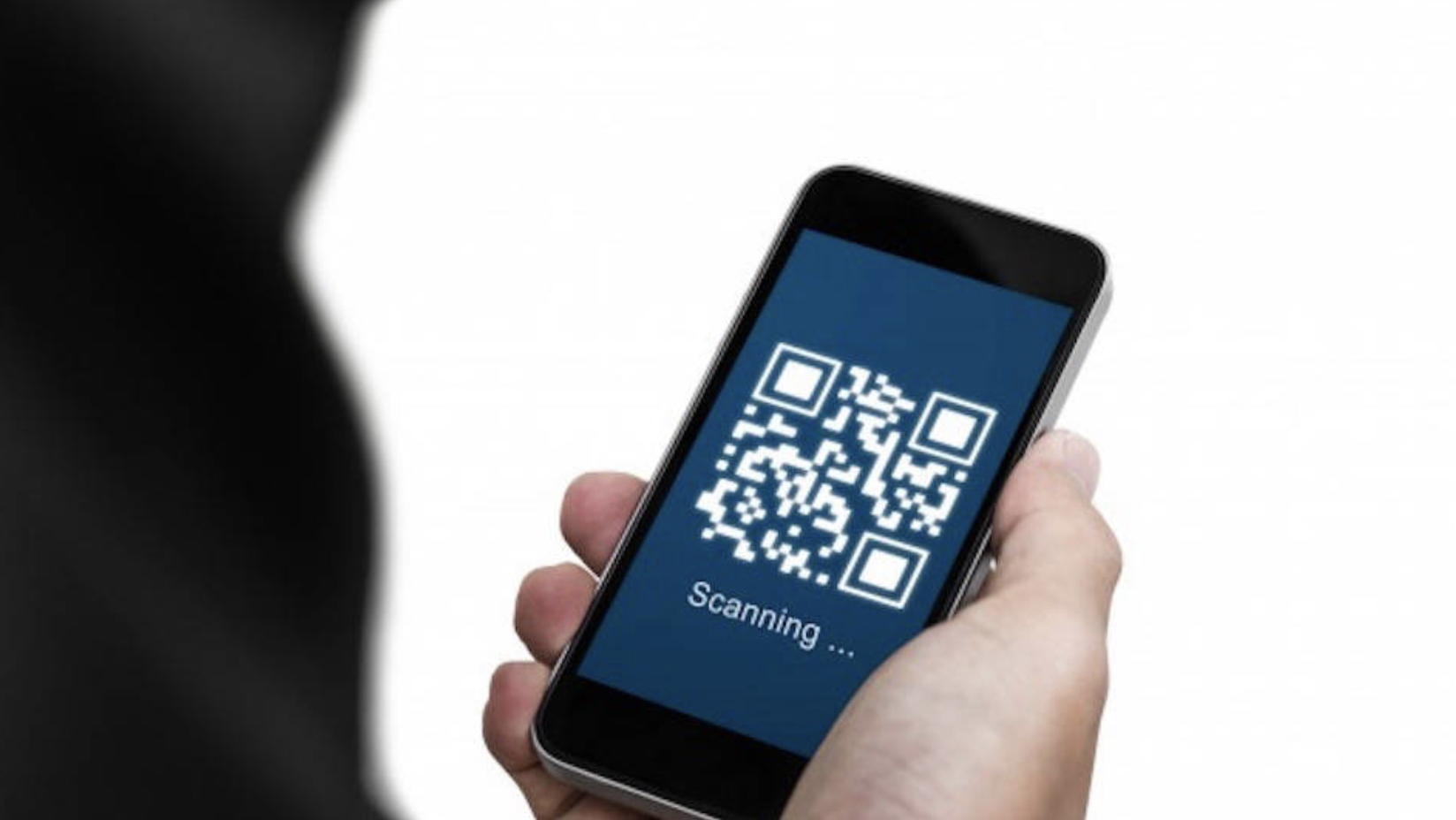
Where do you most often see QR codes? Public spaces such as cinemas, theme parks, shopping mall entrances, store doors, guides, advertisements, posters, printed materials, product packaging, admission tickets, and coupons all use them. With a quick scan using a phone camera, users can connect to the designated website and access information without typing a URL.
The previous article also mentioned that QR codes have 40 versions, and each version has a different error correction capacity. In general, a QR code can carry more than 7,000 numbers, more than 4,000 English letters, more than 2,000 bytes, and more than 1,000 Chinese characters. This is basically enough to carry an informational website.
Information travels with the product
Many manufacturers print QR codes on product packaging. When products are exported around the world and reach different people, users can scan the QR code to read information. Even if the website continues to update, as long as the URL remains unchanged, the connection between the QR code and the website will not be affected.
Low cost
There are many QR code generation tools on the market. Some are free and some are paid, but the price is generally not high. QR codes are effective promotional tools. In an era when everyone has a smartphone, users can access information with a simple scan. QR codes are not limited by time or place, and they offer low cost with strong results.
High readability
When scanning a QR code, have you noticed that it can still work even if the code is not perfectly aligned? The three corner markers are used for positioning, so users can scan a QR code from a distance and still open the linked website. After improvements by Masahiro Hara, QR codes can be read in less than one second, making the process faster and more convenient.
Strong error correction
QR codes do not all look identical. Some include images, such as a store logo combined with the QR code. People used to think that only a complete QR code could be scanned successfully, but modern QR codes include error correction, meaning they can still operate normally with slight damage.
QR codes have four error correction levels: L, M, Q, and H. L has the lowest error correction capacity at 7%, while H has the highest at 30%. Even if part of a QR code is damaged, the other encoded data can correct it.
Many businesses use QR codes to carry product information for promotion. With so many advantages, are QR codes limited to this single use? Of course not. technine will next introduce different QR code application scenarios. Their uses are broader than you may imagine.
Translation supported by AI.